Home / Blog / TIG welding: when to choose it and why it suits stainless steel
TIG welding: when to choose it and why it suits stainless steel
TIG is slower than other processes, but it gives the cleanest and most precisely controlled weld. That is why it is chosen for stainless steel, thin sheet and joints that stay in view.
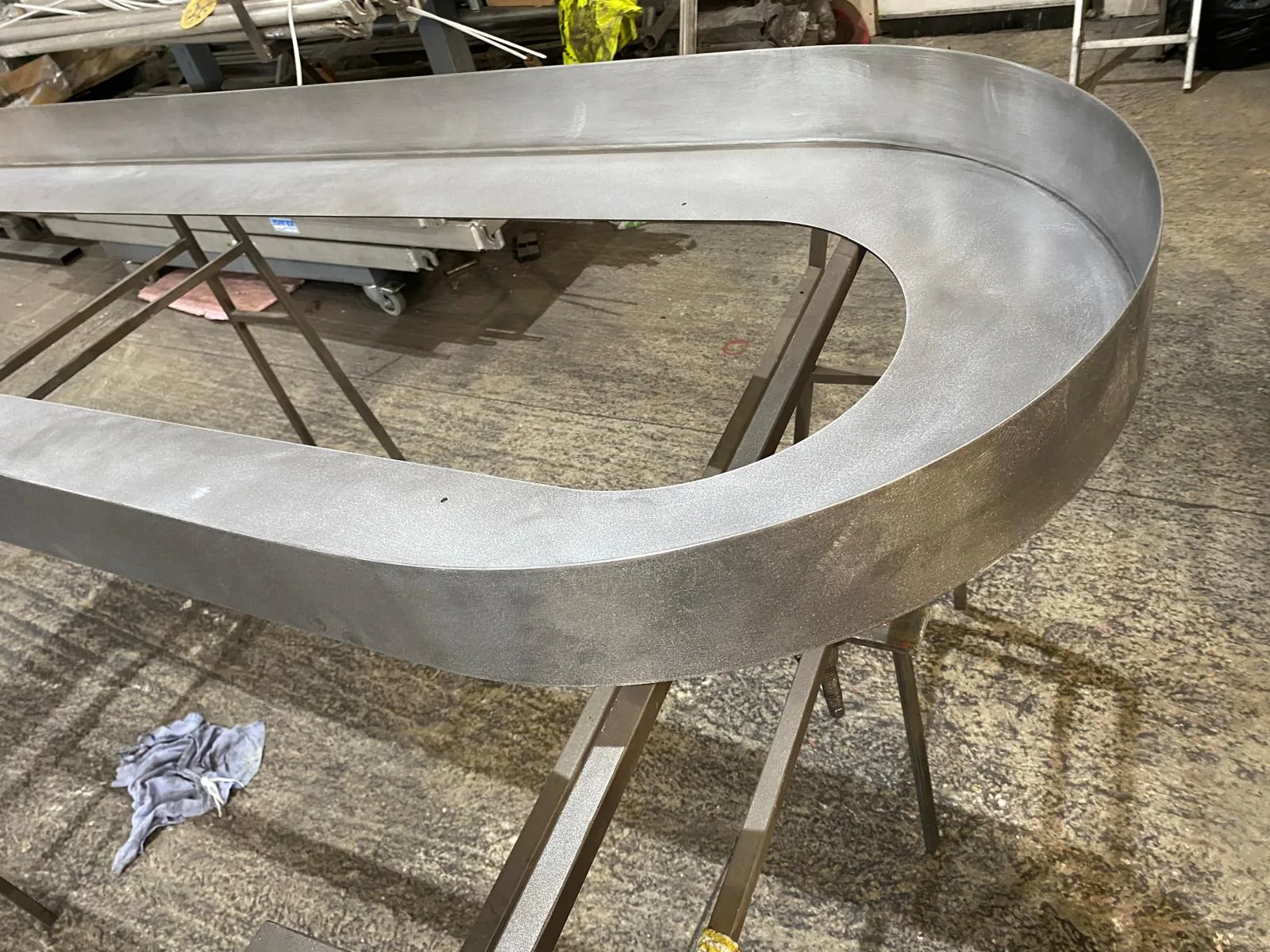
What TIG welding is
TIG (Tungsten Inert Gas) welding uses an electric arc between a tungsten electrode and the workpiece. The tungsten electrode does not melt. An inert shielding gas, usually argon, keeps the molten metal away from the oxygen in the air. The welder feeds a thin filler rod with the other hand and often adjusts the current with a foot pedal, which gives full control over the heat and over how much metal is added.
Why it suits stainless steel and thin sheet
The heat can be set very finely, so TIG does not burn through thin profile walls and sheet, and the material distorts less. The weld is smooth and free of spatter, so it often needs little finishing. That matters for pieces in plain view: frames, shelving, counters, handrails and stainless steel railings.
Where TIG is used most
- Stainless steel and other fine metals, where the look of the weld matters
- Thin sheet and thin-walled profiles
- Visible joints on furniture and interior fittings
- Aluminium and delicate parts
What to watch for with stainless steel
Stainless steel is welded differently from ordinary steel. An overheated weld and the metal around it take on yellow, blue or brown tints. These are not only a cosmetic problem, because the steel loses part of its corrosion resistance there. After welding, that zone is removed by brushing, pickling or polishing, and the surface is passivated.
On tubes and closed profiles the weld is also shielded with gas on the inside. Without it the root of the weld oxidises and becomes rough and less resistant. Tools and grinding discs used on ordinary steel must not be used on stainless steel, because they transfer iron particles that later rust.
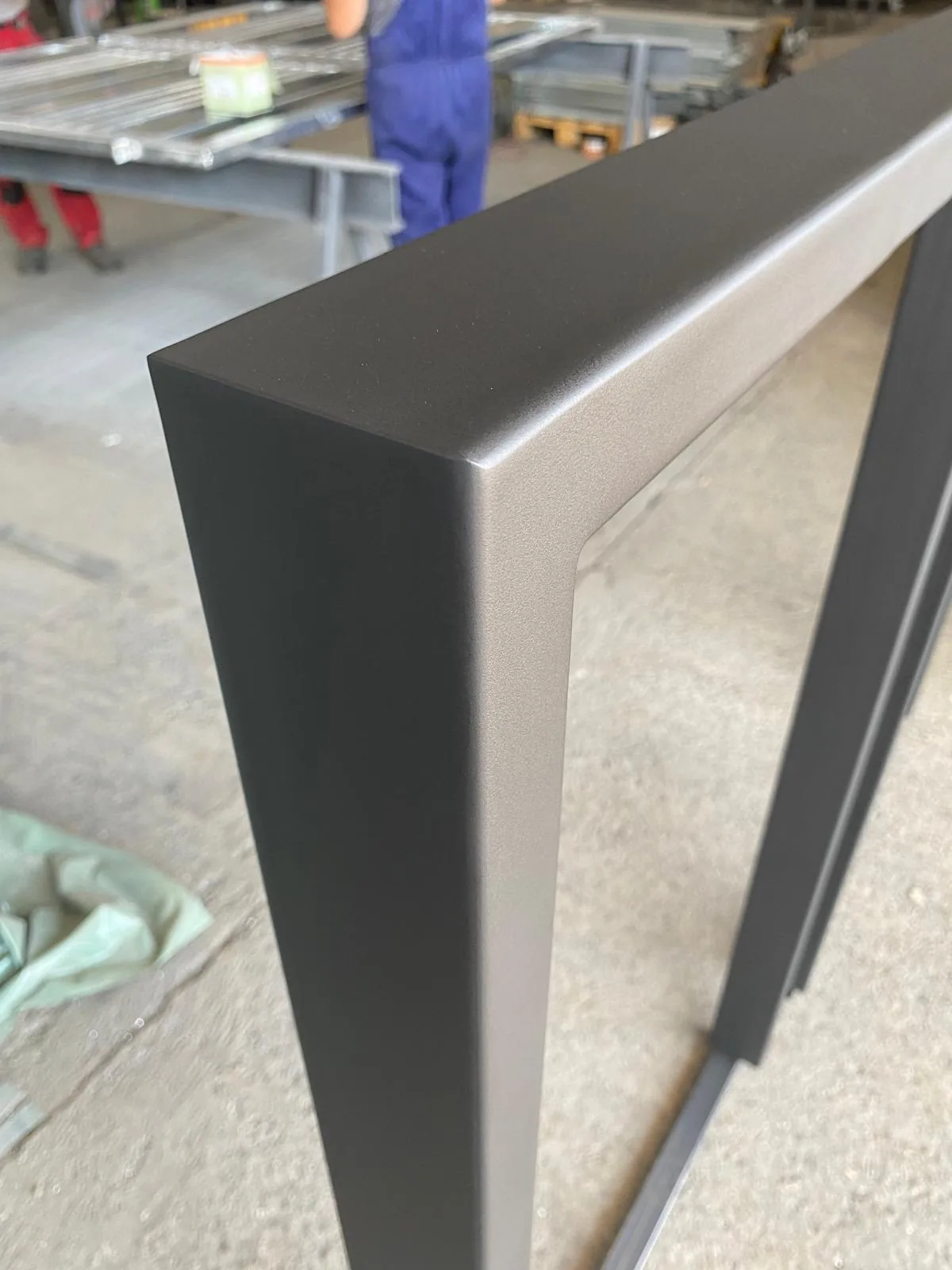
When TIG is not the best choice
For long welds in thicker steel, such as load-bearing structures, gates or fences, TIG is too slow and needlessly costly. CO2 (MAG) welding is more practical there, and we cover it in a separate article. In practice the processes are often combined: the structural part is welded faster, and visible joints are done with TIG.
What this means for you
If you are ordering furniture or fittings in stainless steel, ask what the joints will look like and whether pickling or polishing is done after welding. Both the appearance and the durability depend on it.
Related services
More from the blog
Protecting metal after fabrication: paint, galvanizing and more
How steel, stainless steel and brass are protected after fabrication: surface preparation, powder coating, galvanizing, passivation and care in transport.
Read moreCO2 (MAG) welding: a fast process for structures, gates and fences
What CO2 (MAG) welding is, where it is used on structures, gates and fences, its advantages and limits, and how it differs from the TIG process.
Read moreSliding or swing gate: how to choose the right one for your entrance
Sliding or swing gate? A comparison by space, terrain, automation and upkeep, with the questions to answer before ordering a gate.
Read moreHave a project or just an idea?
Send dimensions and photos and we will come back with a proposal and a quote.