TIG welding: when to choose it and why it suits stainless steel
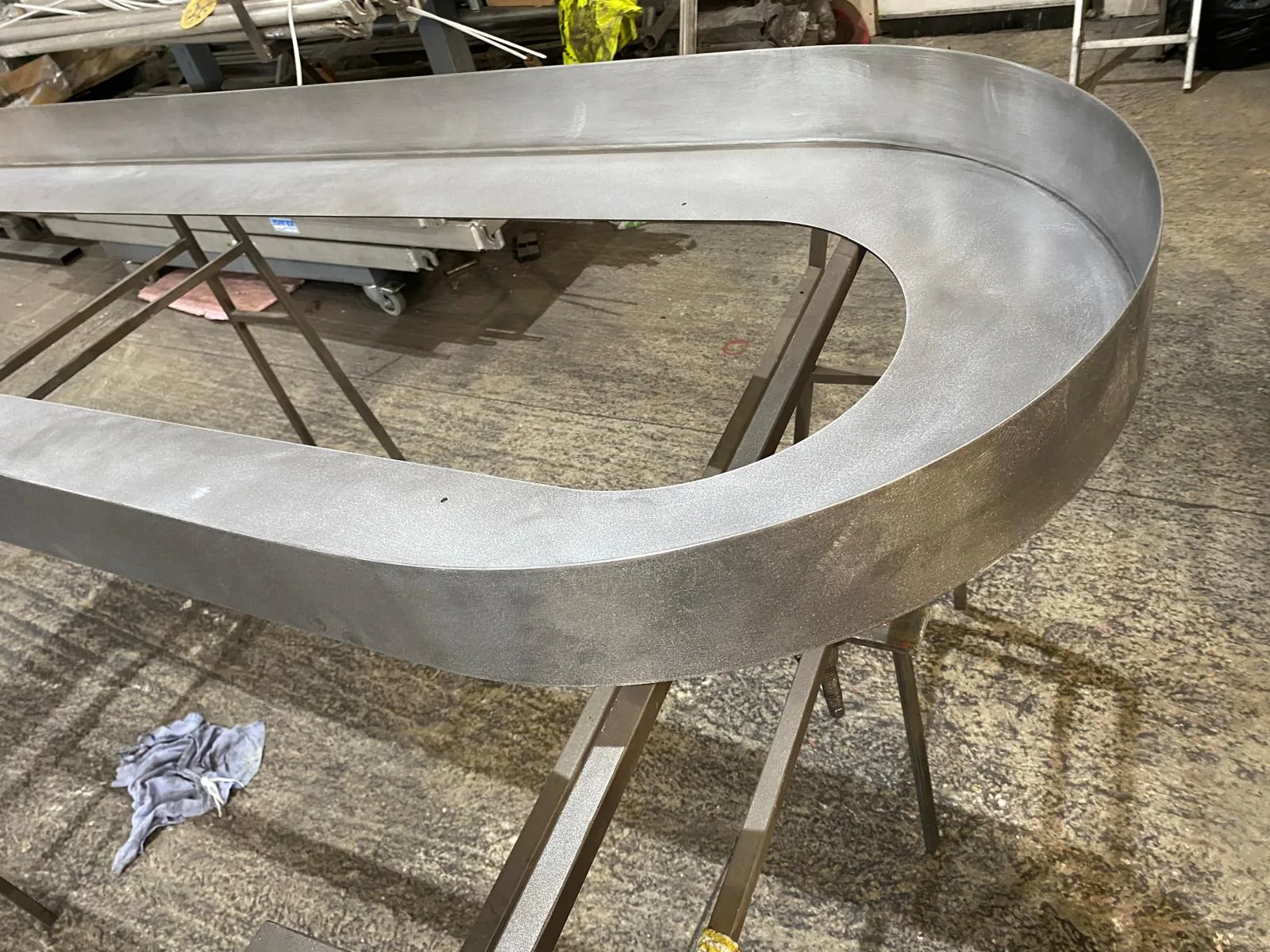
TIG welding is a process in which an electric arc burns between a tungsten electrode and the workpiece, while an inert gas, usually argon, shields the weld. The welder feeds filler material with the other hand and often controls the current with a foot pedal, which gives full control over heat. That makes TIG the cleanest and most precisely controlled process. It is chosen for stainless steel, thin sheet and joints that stay visible: frames, shelves, counters, handrails and railings. The weld is smooth and spatter-free, and the material distorts less. With stainless steel, overheating must be avoided, because yellow, blue and brown tints mean the material has lost part of its corrosion resistance at that spot. That is why the weld zone is cleaned, pickled or polished afterwards, and on tubes the weld is shielded with gas from the inside too. For long welds on thicker steel TIG is too slow, so the CO2 process is used there. In practice the processes are often combined. If you order stainless steel furniture, ask what the joints will look like and how they are finished.
Read more: TIG welding: when to choose it and why it suits stainless steel